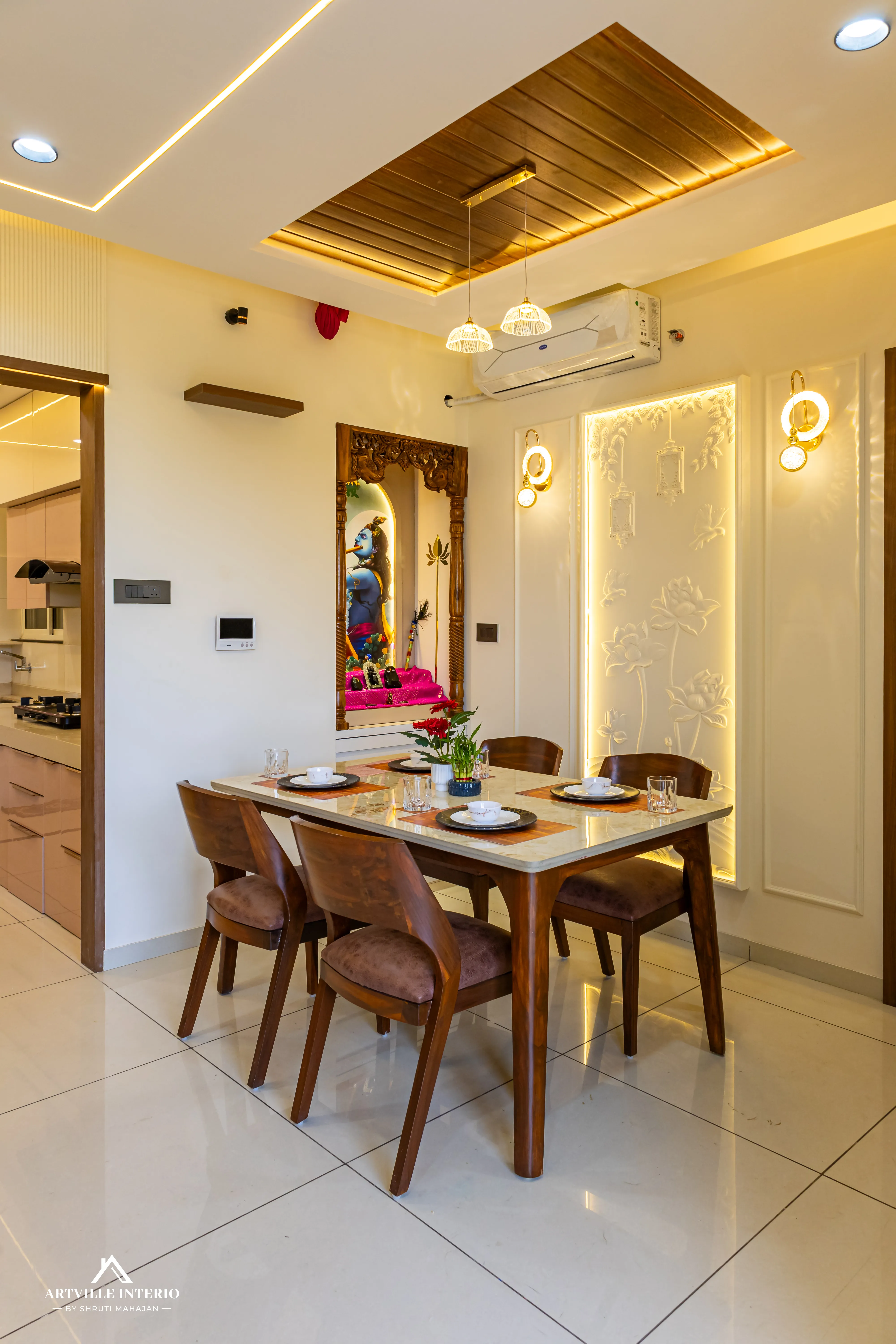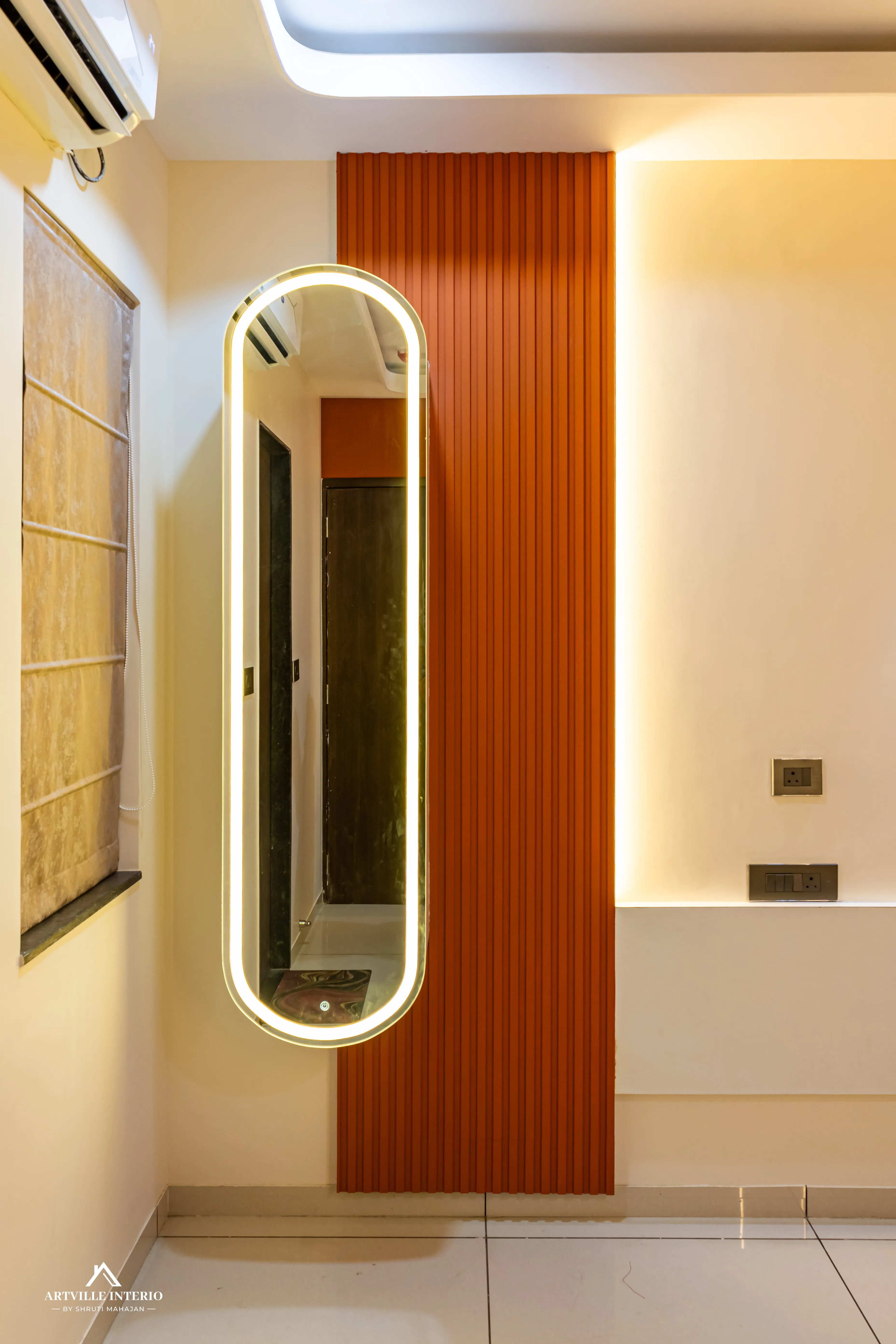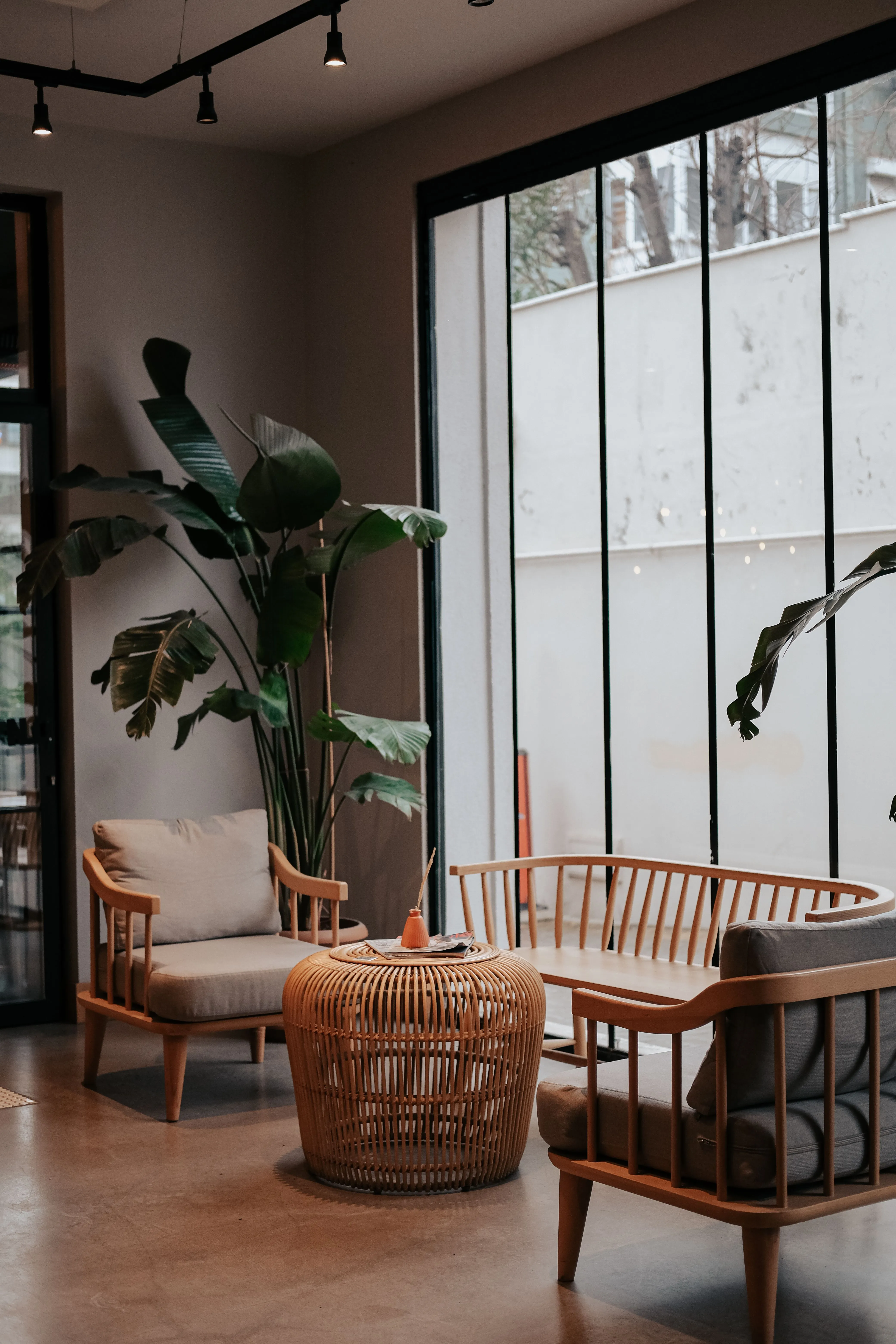
If you have been scrolling through interior design feeds lately, you have probably noticed a certain aesthetic quietly taking over — clean lines, natural materials, muted tones, and a sense of deliberate calm. That is Japandi. A fusion of Japanese minimalism and Scandinavian simplicity, it has found a surprisingly natural home in Indian interiors. Here is why, and how to bring it into your own space.
What Exactly Is Japandi?
Japandi takes the best of two design philosophies. From Japan, it borrows the concept of wabi-sabi — the beauty of imperfection and transience — along with a deep respect for craftsmanship and nature. From Scandinavia, it takes hygge — a sense of cosy contentment — along with functional minimalism and clean geometric forms. The result is a style that is minimal without being cold, warm without being cluttered, and refined without being showy.
Why It Works So Well in Indian Homes
Indian homes have traditionally valued natural materials, craftsmanship, and a connection to the earth — values that sit at the very heart of Japandi design. The style's preference for warm neutrals, raw textures, and handmade objects resonates deeply with the Indian sensibility. Unlike hard-edged Western minimalism, which can feel sterile and unwelcoming, Japandi's warmth makes it genuinely livable for Indian families. It also works remarkably well in the compact apartments that most urban Indians call home — the restrained approach to furniture and decor makes small spaces feel intentionally spacious rather than simply small.
The Japandi Palette for Indian Spaces
The core palette is warm neutrals — off-white, warm grey, sand, and taupe — with accents in muted sage green, terracotta, or charcoal. For Indian homes, we often introduce a hint of turmeric or rust as a nod to our own colour culture, keeping it restrained so it reads as accent rather than statement. Avoid bright whites and cold greys — Japandi's warmth comes from tones that feel earthy and organic rather than clinical.
Materials and Textures to Use
Natural materials are non-negotiable in Japandi. Light oak or teak wood for furniture and flooring. Cane and rattan for accent chairs and pendants. Linen and cotton for upholstery and curtains. Stone, ceramic, and terracotta for decorative objects. Handwoven textiles for cushions and throws. In India, we are fortunate to have access to beautiful handcrafted objects from across the country that fit perfectly into this aesthetic — a Channapatna wood bowl, a Kutch weave throw, a simple Khurja ceramic pot.
What to Avoid
Japandi is as much about what you leave out as what you put in. Avoid heavy ornamentation, glossy surfaces, and anything that feels mass-produced or synthetic. Resist the temptation to fill every surface — negative space is a design element in itself. Each object in a Japandi room should earn its place, either functionally or aesthetically. If you cannot answer why something is in the room, it probably should not be.
Starting Small
You do not need to redesign your entire home to bring in a Japandi sensibility. Start with one room — ideally the bedroom, where calm is most valuable. Replace heavy drapes with simple linen curtains. Swap a busy bedsheet pattern for a solid or subtly textured one. Add a low wooden side table and a simple ceramic lamp. Remove three things from your bedside table. These small changes can shift the entire feeling of a room without touching a single wall.
Japandi is minimal without being cold, warm without being cluttered, and refined without being showy.