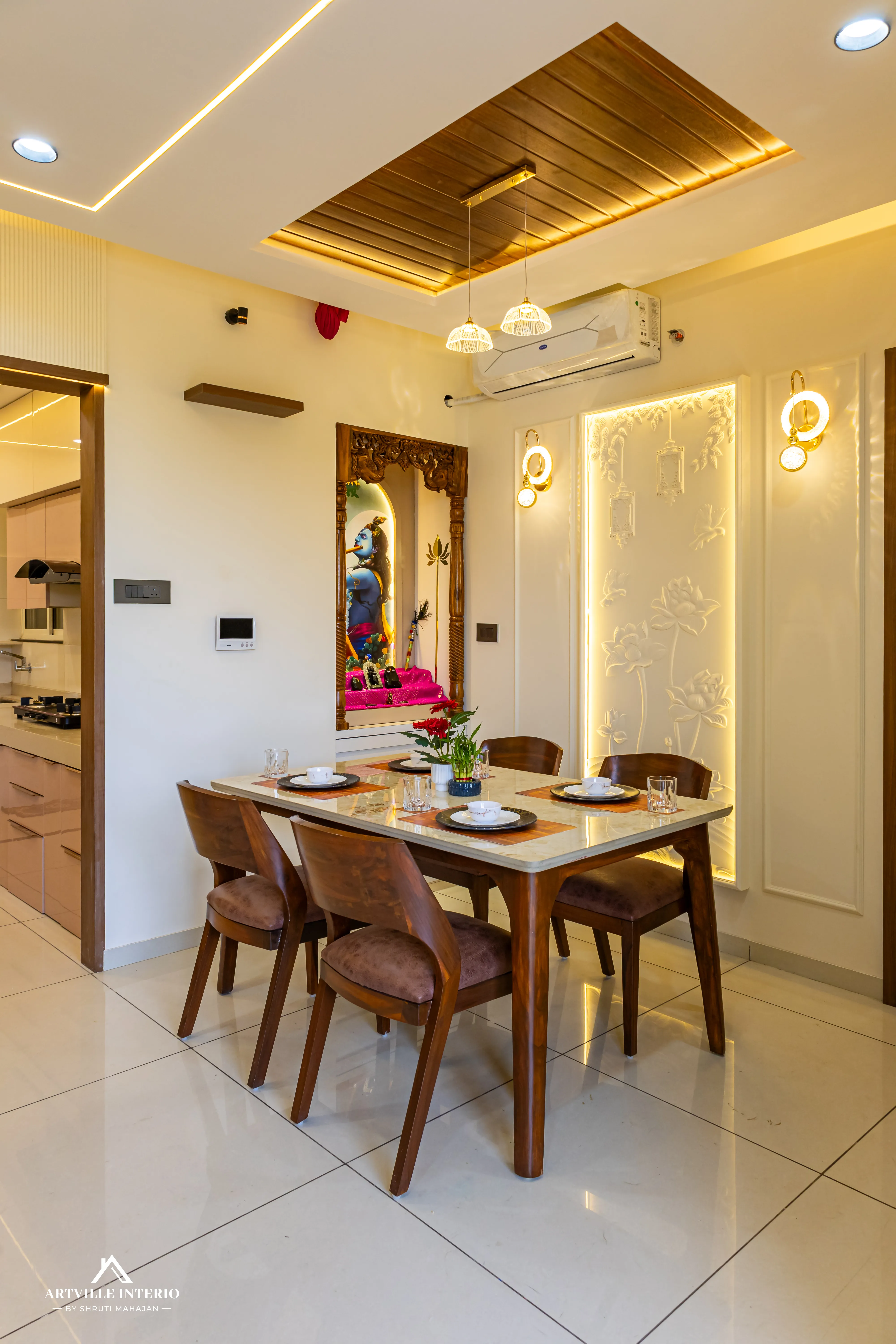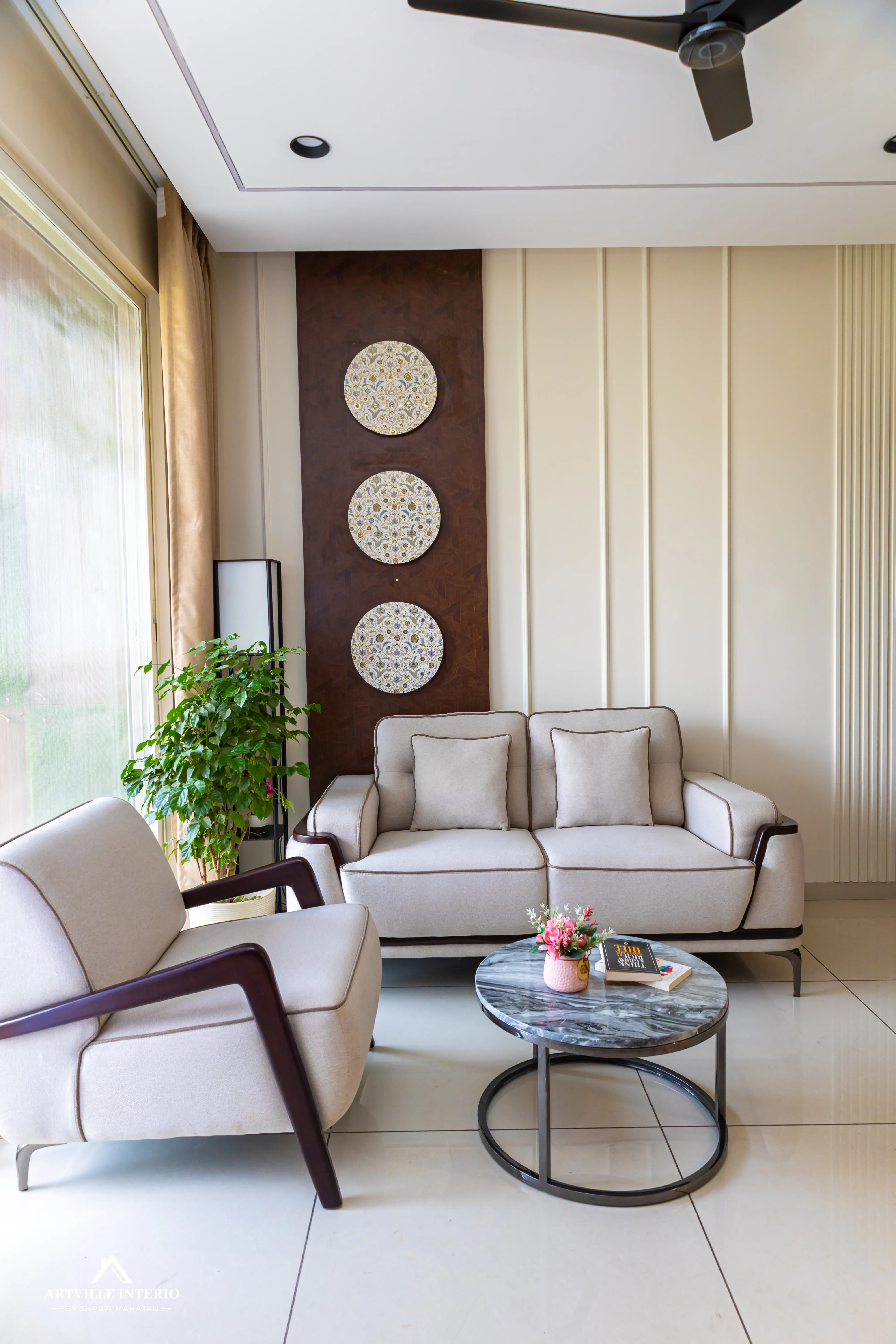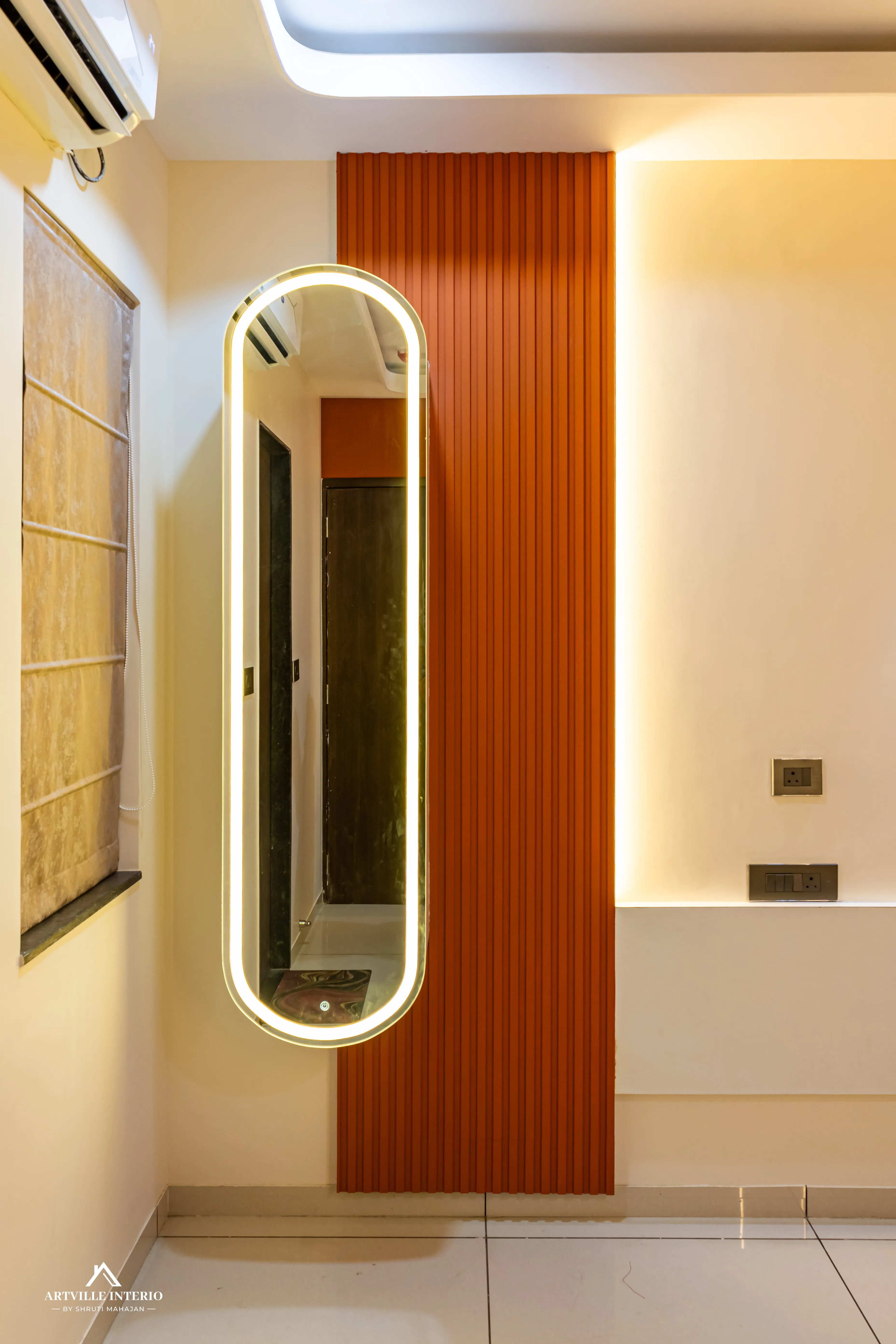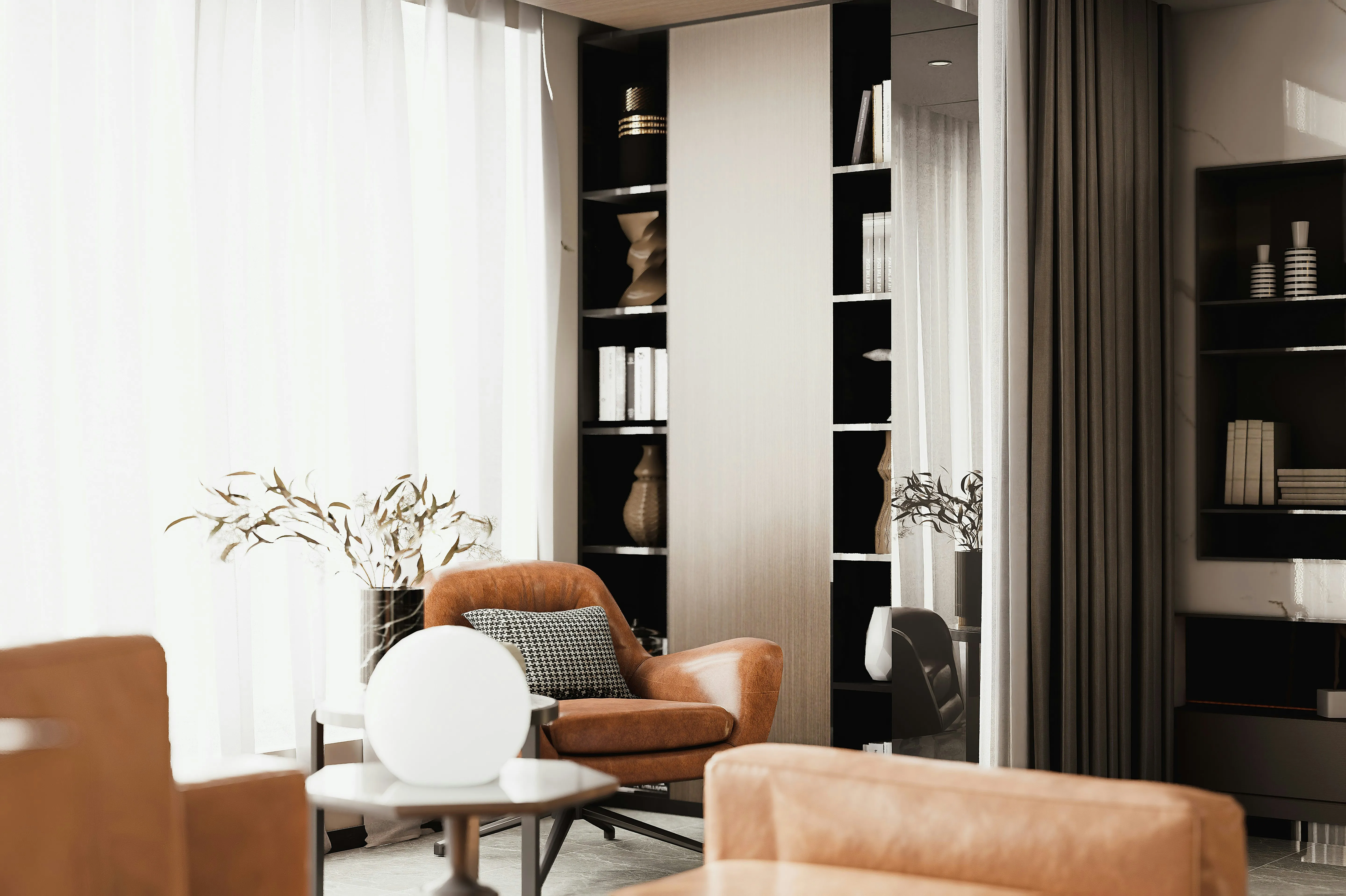
The quality of your interior design project is directly proportional to the quality of your brief. A designer can only work with what you give them. The clearer and more specific you are about what you want, what you do not want, how you live, and what you can spend, the better your final result will be. Here is everything you need to prepare before your first meeting.
Know Your Budget Before Anything Else
This is the conversation most homeowners want to avoid, but it is the most important one to have upfront. Your budget determines everything — the quality of materials, the scope of work, the furniture choices, and even the design concept itself. You do not need to have a precise number, but you should have a realistic range. In Pune, a full home interior for a 2BHK typically ranges from 8 to 20 lakhs depending on the level of finish. A 3BHK ranges from 15 to 35 lakhs. Be honest with your designer about your budget — we are not here to judge it, we are here to make the most of it.
Document How You Actually Live
Your designer needs to understand your lifestyle, not just your taste. Tell them how many people live in the home and their ages. Tell them whether you work from home and need a dedicated workspace. Tell them whether you cook seriously and need a functional kitchen or whether you eat out most of the time. Tell them whether you entertain frequently and need a formal dining setup or whether it is mostly family. Tell them about pets, about children's habits, about your cleaning preferences. A home designed around how you actually live will serve you infinitely better than one designed around how you imagine yourself living.
Create a Reference Image Folder
Before your first meeting, spend an hour on Pinterest, Instagram, or Houzz and save images of spaces that appeal to you. Do not filter by practicality at this stage — just save what you are drawn to. Then look at your saved images and try to identify what the common elements are. Is it the colour palette? The material choices? The level of clutter? The lighting? The type of furniture? This exercise will reveal your actual aesthetic preferences far more accurately than any verbal description. Share this folder with your designer at your first meeting.
List Your Non-Negotiables
Every client has things they absolutely must have and things they absolutely cannot have. Write these down before your first meeting. Non-negotiables might include: a dedicated pooja room, a study for each child, a particular piece of furniture you want to keep, a colour you refuse to have in your home, or a material you are allergic to. Being clear about these upfront saves enormous time and prevents the frustration of falling in love with a design concept that cannot accommodate your requirements.
Be Honest About Your Maintenance Capacity
Beautiful interiors require maintenance. Marble needs sealing. Fabric sofas need professional cleaning. Open shelving collects dust. Light-coloured flooring shows dirt more readily. Before you fall in love with a high-maintenance finish, honestly assess how much time and money you are willing to spend on upkeep. At Artville, we always ask clients to rate their tolerance for maintenance on a scale from low to high, and we design accordingly. A home that is beautiful on day one but frustrating to live in by month six is not a successful design.
Ask the Right Questions
A good brief is a two-way conversation. These are the questions you should be asking your designer at your first meeting. How do you charge — by percentage of project value, by square foot, or a fixed fee? What is included in your scope and what is not? How do you handle site supervision? What is your process for approvals and changes? How do you handle delays or cost overruns? What is the payment schedule? Can I see references from past clients? A designer who cannot answer these questions clearly and confidently is not one you want to work with.
Trust the Process
Once you have chosen your designer and shared your brief, trust them. You hired them for their expertise — let them bring it. This does not mean passive acceptance of everything they suggest, but it does mean being open to ideas that might initially surprise you. The best design outcomes happen when clients bring clear requirements and an open mind, and designers bring genuine expertise and a commitment to their client's vision rather than their own portfolio. The relationship works best as a collaboration, not a transaction.
The relationship works best as a collaboration, not a transaction.